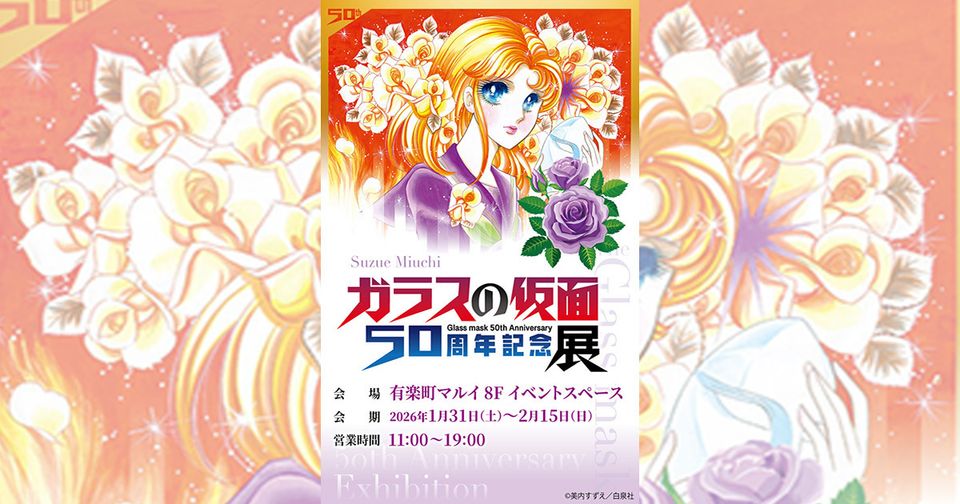

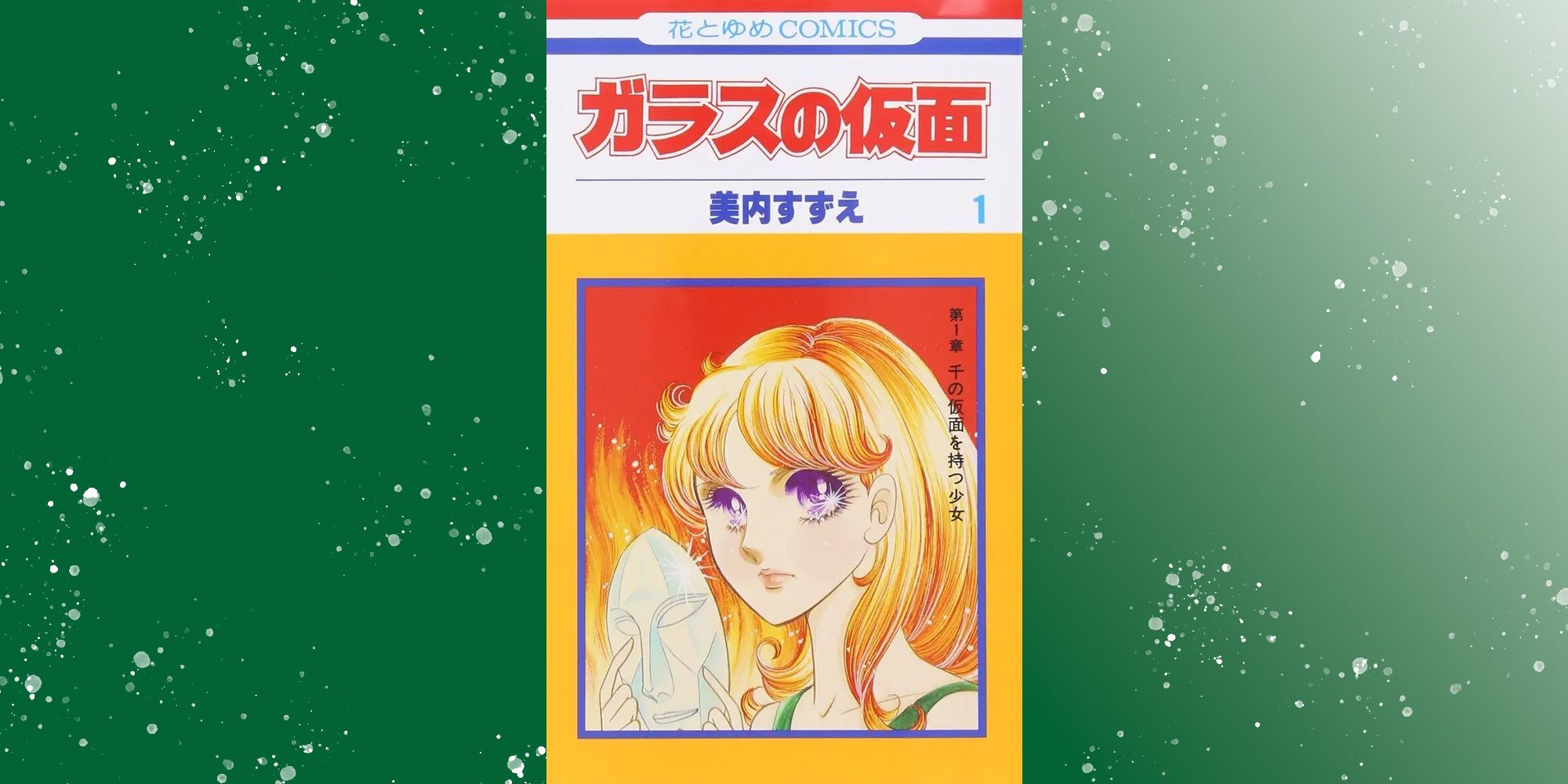
For me, one of the most iconic manga for the around-fifties generation is "Glass Mask," commonly known as Garakame. As the youngest of five girls growing up, I spent my childhood reading all the manga of various genres that my four older sisters passed down, but this manga was by far the most interesting of them all.
The story depicts an ordinary, unremarkable girl named Maya Kitajima, who one day was discovered for her acting talent and grows into a "genius stage actress." I think Cinderella stories with unfortunate heroines were common in manga at the time, but I don't think there were many other manga that focused on theater.
I bet tens of thousands of Japanese manga fans learned about the drama club's vocal exercise "amenbo akaina aiueo" from this manga, and when they heard the name "Tsukikage," they would instantly respond, "Sensei!" Ask any manga fan from the Showa generation who is "Kitajima," and they'll likely respond with either "Saburo" or "Maya." What is then the real appeal of "Glass Mask," which has captivated so many people that it has been called a social phenomenon in the world of Japanese manga?
I think the greatest appeal of this manga lies in the plays within the plays. This manga features a whopping 30 plays, 20 of which were conceived by the author, Suzue Miuchi, herself - a truly astonishing feat. It's no wonder it takes so long to produce one volume. The play begins by carefully depicting the protagonist's struggles as she faces one adversity after another and goes through rigorous training and character development, and then, with a bang, the play within the play begins. This is an incredibly impressive sight. You feel as if you are there, listening to the voices of the actors and the cheers of the audience. It's the ultimate manga experience!
This is something that can be said about popular sports manga of the time, such as "Captain Tsubasa" or "SLAM DUNK," and more recently, "Haikyu!!" or "Blue Lock," and I think the high level of entertainment value, which allows readers to watch exciting sports matches or experience moving plays within the manga, is a major key to the appeal of these popular manga. The appearance of "Glass Mask" back then was truly a "we've been waiting for this!" moment for fans of girls' comics who found sports manga a little lacking.
The characters surrounding Maya are amazed by her genius acting skills and her mad love and passion for theater, and gradually become captivated by her. Watching the protagonist grow from a weak duck to a strong swan, with plenty of scenes from the play interwoven throughout, was a truly enjoyable and luxurious experience. I often cry when reading manga, but "Glass Mask" may be the only one that has made my heart pound so much.
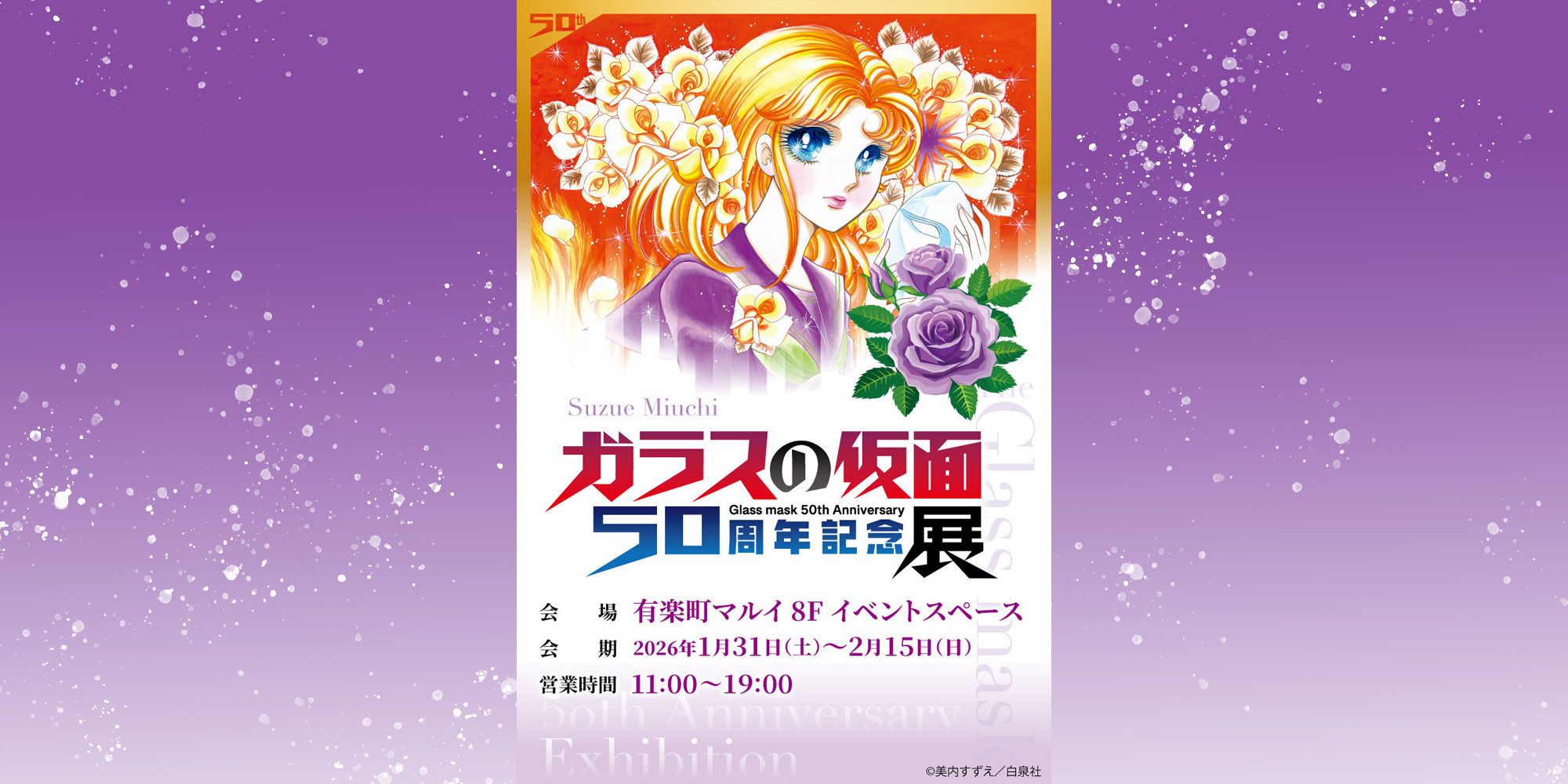
Apparently, this year marks 50 years since the series began in the Japanese girls' comic "Hana to Yume." It's a well-known and crazy little story in that it's already been over 10 years since the latest volume 49 was released. Many older readers of my generation have somewhat given up on the publication of the final volume, but are still secretly and quietly waiting, hands together in prayer deep in their hearts. It's become a Garakame cult. I think it's only Garakame cult believers who smile to themselves, thinking that once the final volume is released, everyone will surely reread it from volume one in one go.
Manga is an inexpensive form of entertainment. And because of its affordability, it can continue to be loved widely and for a long time. There are many people all over the world who, at some point in their lives, have experienced the joy of waiting for the next volume of their favorite manga. It was on this auspicious day in January 2026, the 50th anniversary of "Glass Mask," that I thought it would be great if NIUHI (now KOMODO Manga & Comics) could foster a manga community, where people could enjoy talking about the new manga they finished reading yesterday as well as their passionate love of manga that has lasted for over 50 years.
The end.
Author Profile
noahsark hails from the Japanese town of Unagipie, “the night snack”.
She joined the company in 2017.
She serves as a creator liaison, a bridge between NIUHI and overseas manga artists.
She lives in a rural town overseas where bears and cougars abound.
She secretly hopes to one day spend her retirement in Japan eating red and white manju.